2026 Continuing Education
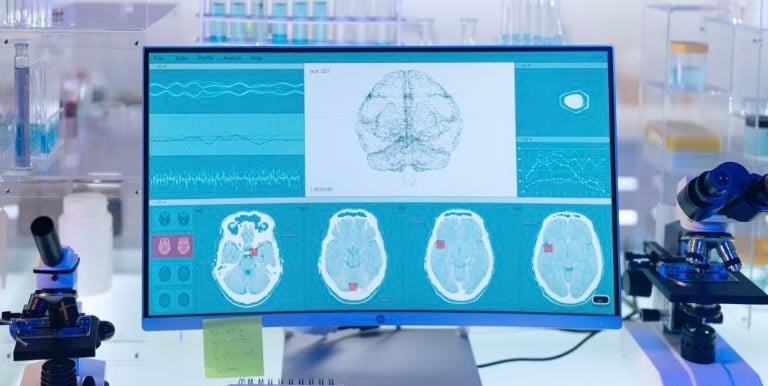
The Neuroscience of Hypnosis
Explore what current research reveals about how hypnosis influences attention, perception, and behavior change. We’ll take a look at recent studies on brain activity during hypnotic states, the role of focused attention, and why hypnotic suggestions can create meaningful shifts.
This training offers a grounded, science based understanding of what is happening in the brain during hypnosis and how these insights can strengthen your work with clients.
Hypnosis for Children, Teens, and Adults with Diverse Needs
This class explores how to thoughtfully adapt hypnosis for clients across different ages and abilities, including children, teens, older adults, and individuals with attention differences, memory challenges, or disabilities. Participants will examine how developmental stage, cognitive capacity, and life context influence communication style, pacing, consent, and session structure.
The course emphasizes ethical practice and working within scope when supporting clients who may require additional care or consideration. Practical strategies are shared to help practitioners create hypnosis sessions that are flexible and responsive to individual needs while maintaining professionalism and best practices.


Transtheoretical Model of Change
This class explores the Transtheoretical Model of Behavior Change and how understanding a client’s stage of change can strengthen your work as a hypnotherapist. We’ll look at how readiness, ambivalence, and motivation influence outcomes, and how to tailor suggestions and session strategies to meet clients where they are.
This training offers practical insight into why some clients progress quickly while others struggle, and how a stage-informed approach can support more consistent and sustainable change.


Gut-Brain Hypnosis
This class explores the gut–brain connection and how hypnosis can be used to support clients with functional digestive concerns such as IBS, stress-related gut symptoms, and chronic discomfort. Participants will review current understanding of the gut–brain axis, the role of the nervous system in digestion, and how stress and emotional patterns can influence gastrointestinal function.
The course focuses on practical hypnotic strategies, language patterns, and session structure designed to promote relaxation, regulation, and improved gut comfort. Emphasis is placed on working within scope of practice and integrating gut-focused hypnosis into a broader, client-centered approach.


Vocal Skills in Hypnotherapy
This class explores how vocal tone, pacing, and presence influence the effectiveness of hypnosis at a deeper level than basic delivery tips. We’ll look at how rhythm, pauses, and subtle shifts in vocal quality shape attention, absorption, and the client’s internal experience. You’ll learn practical ways to use your voice to support focus, deepen relaxation, and strengthen the impact of your suggestions.
We’ll also review research related to vocal influence, attention, and auditory processing, and discuss how these findings translate into real-world hypnotic work. In addition, we’ll cover strategies for caring for your voice so it remains steady and sustainable over years of professional use.


Reach Out
Email the Oregon Hypnosis Association for membership information and events:
© 2025. Oregon Hypnosis Association. Located in Lake Oswego, serving certified hypnotherapists throughout the Portland metro area, the state of Oregon and SW Washington.